

Blog & Resources
Expert insights and actionable guides to strengthen your cybersecurity posture.


33 Flaws Published Overnight: N-able Shuts Down the Tool IT Providers Use to Run Your Computers
A researcher published working attacks against N-able N-central without warning the vendor. If an IT provider manages your computers, here is what to ask them.

Two Heists in Three Days: Mercado Bitcoin and a French Bank Robbed Through a Supplier
Brazil's largest crypto exchange lost tens of millions of dollars from its online wallets, and a French bank had more than $100 million sent out of its own account through a supplier's platform. One lesson matters to every business that pays bills.

When the Password Manager Is Breached: What the mSecure Incident Means
The maker of the mSecure password manager told users to change their passwords, reset two-factor authentication and replace passkeys after an attacker took an encrypted copy of its user database. Here is what is known, and what to do if your business uses any password manager.

Someone Turned the Freezers Up to 50°C: The Attacks on Refrigeration Controls
Attackers reached the internet-connected controllers of supermarket refrigerators across Europe and forced them into heating and defrost cycles, spoiling food in hundreds of stores. Five US agencies have now warned American businesses. If you run a restaurant, grocery, warehouse or clinic, this one is about you.

Any Long Password Will Do: The OpenSSH Flaw Attackers Used Within Two Days
For ten years, locked accounts on Alpine and other small Linux systems accepted any password over 256 characters. Attackers began using it two days after the fix.
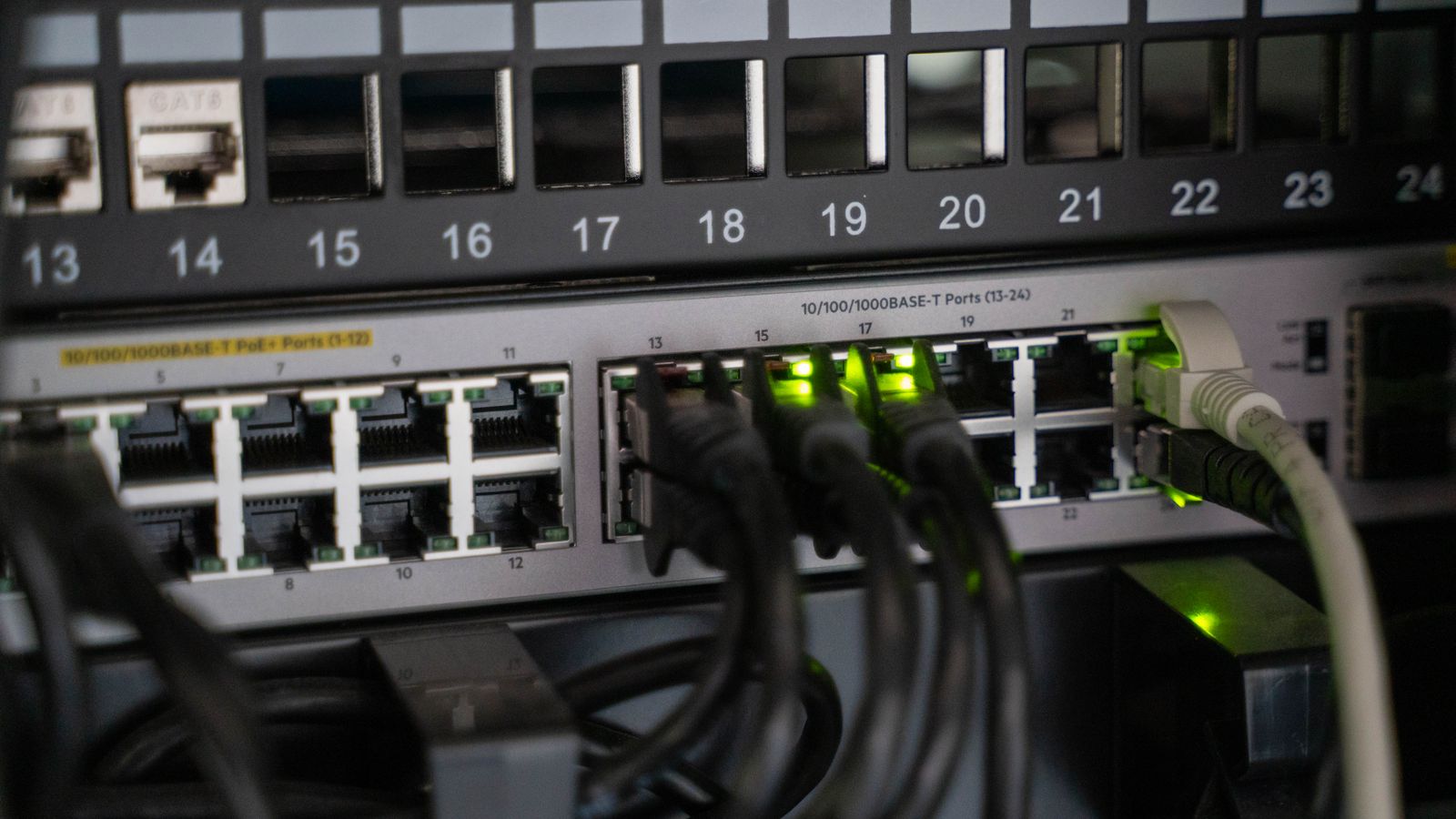
The Patch That Didn't Stop It: Nearly 1,000 Zyxel Switches Hacked
Attackers broke into almost a thousand Zyxel GS1900 network switches, a common small-business model, and stole their configurations and passwords. Switches that had installed Zyxel's June fix were still vulnerable. A new fix shipped in October.

Twenty Minutes, $6.3 Billion: What the Binance Theft Means for Businesses That Never Touch Crypto
North Korean hackers emptied Binance's online wallets in about twenty minutes, without stealing a single private key. They made the exchange's own systems sign for them. The same playbook is aimed at ordinary companies, starting with who they hire.

The Backup That Had the Keys: The ConnectWise Cloud Backup Compromise
Attackers stole the credentials of a Microsoft 365 backup service and used them to sign in to customer tenants, in some cases making themselves administrators. The service is coming back. Here is what happened and what to check.

4.9 Million Applicants: The Florida Student Financial Aid Breach
Attackers reached Florida's student financial aid website and exposed the Social Security numbers of up to 4.9 million people who had applied for college aid. Some of them are almost certainly your employees, or their children. Here is what happened and what to tell them.

"Months, Not Years": What the Government Warnings Mean for a 50-Person Company
Cyber agencies in five countries say AI is shrinking the time between a flaw being found and being used against you. Their advice is written for boards of large organizations. This is the translation for a business with no security team.

Three Flaws, No Password: The Ivanti Connect Secure Attacks
Attackers chained three flaws in Ivanti's VPN appliance to take full control without logging in, then went hunting through the company's Active Directory. The last fixes shipped on 29 October. Here is what happened and what to do.

When the Firewall Is the Way In: php2shell and the Palo Alto Takeovers
Attackers used the php2shell flaws to take full control of Palo Alto Networks firewalls through their own management page. The device meant to keep attackers out became the way in. Here is what happened and how to check yours.

Everyone's Keys in One Place: The Railway Breach and the Hunt for AI Credentials
An attacker spent a day and a half inside a hosting platform used by five million developers and decrypted secrets its customers had stored there. Railway believes they were after AI keys. The lesson reaches well beyond developers.

When the Computer You Help Can Take Over Yours: The TeamViewer Flaw
A TeamViewer flaw lets a malicious or infected computer attack the technician who connects to it. Nobody has been attacked with it yet, but it reverses a risk most IT support assumes only runs one way.

A Copy Is Still the Data: The University of Copenhagen Breach
Attackers reached a university database holding records on 525,000 people and the building-access PINs of 20,000 staff and students. The university had to lock doors. The system was one it described as a test environment.

Patch Your Website and Your Online Store This Week
In four days at the end of October, flaws in WordPress, Drupal Commerce and Magento were fixed or confirmed exploited, and an online retailer disclosed that customers' saved card details were taken. Here is what each one means and what to check.

Week in Review: Firewalls, VPNs, Online Stores and a $6.3 Billion Theft
Everything from 26 October to 1 November 2026 that a small business should know about, in one place: what happened, when, and what to do about it.

php2shell: The Flaw That Runs Before Your Code Does
Two critical flaws in PHP itself let an unauthenticated attacker run code on the server. Your application is not the problem, your hosting provider holds the fix, and the versions a lot of small businesses are still running will never get one.

When the Attacker Is an AI Agent: What the Seoul Bank Intrusions Show
One person, a laptop and an open-source agent suite took data from six South Korean financial institutions in under two weeks. What genuinely changed about the threat, and what did not.

The API That Answered: CenterPoint and the Breach That Triggered No Alerts
A US utility serving seven million customers disclosed in an SEC filing that an internet-facing system gave up customer data. The attacker says a CAPTCHA was the only thing that stopped them taking all of it.

One Phone Call, One Terabyte: Why SaaS Became the Target
August 2026's largest breach needed no malware and no zero-day. Attackers talked their way into a single sign-on account and walked out of the cloud platforms behind it. Here is how that works, and what it means for everyone else.

ChainDrop: The npm Worm That Published Itself
On 4 August a compromised maintainer account became a self-propagating worm. In four hours it reached over 400 packages, harvesting cloud and CI credentials along the way — and it never needed anyone to click anything.

The Tool That Fixes Everything Can Break Everything: RMM as an Attack Path
Through spring 2026, attackers moved through remote management platforms into the customers behind them. One compromised MSP account led to 78 businesses being isolated. This is uncomfortable for us to write, and worth writing anyway.

Nothing Was Stolen: The Stryker Wipe and the Console That Did It
On 11 March a pro-Iran group used Stryker's own device-management console to erase tens of thousands of employee machines. No ransom, no decryptor, no negotiation — and a hard question about who holds the keys to your fleet.

Understanding Network Vulnerabilities: A Complete Guide
Learn about common network vulnerabilities, how attackers exploit them, and practical steps to protect your organization's infrastructure.

Software Exploits: What You Need to Know
A deep dive into how software exploits work, from zero-day vulnerabilities to known CVEs, and how to protect your systems.

Phishing Attacks: How to Recognize and Protect Yourself
Comprehensive guide to identifying phishing attempts and building organizational defenses against social engineering attacks.

Why Software Updates Are Your First Line of Defense
Understanding why timely software updates are critical for cybersecurity and how to implement an effective patch management strategy.

Building a Strong Password Strategy for Your Organization
Modern password best practices, from complexity requirements to password managers and multi-factor authentication.

Training Your Team to Spot Phishing Attempts
How to build a security-aware culture through effective phishing training programs and simulations.

Safe Browsing: Protecting Against Malicious Downloads
Essential safe browsing practices to protect your organization from drive-by downloads, malicious websites, and compromised files.

2.3 Terabytes: Mexico's Citizen Records and the Systems Nobody Owned
On 30 January 2026 a group published 2.3 TB of data covering roughly 36 million Mexicans. The government's answer was that the systems were obsolete and not theirs. That is less reassuring than it sounds.

Physical Device Security in a Remote Work World
Protecting laptops, phones, and other devices in the era of remote and hybrid work environments.

Data Backup Strategies: The 3-2-1 Rule and Beyond
Comprehensive guide to implementing resilient data backup strategies that protect against ransomware, hardware failure, and disasters.